Design thinking has always been about one thing: solving the right problems for real people.
AI doesn’t change that.
What AI changes is how fast we can explore solutions, test assumptions, and close the gap between idea and execution.
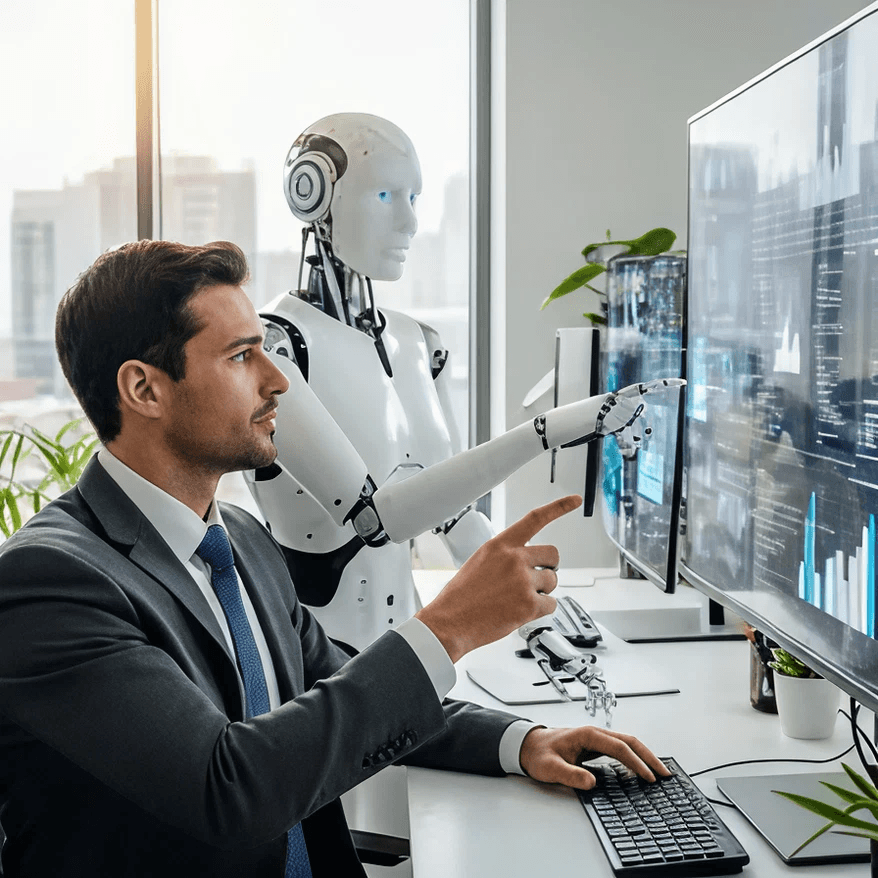
The mistake many teams make is treating AI as a replacement for thinking. In reality, AI works best when it augments human judgment, not when it replaces it.
Where Design Thinking Still Matters
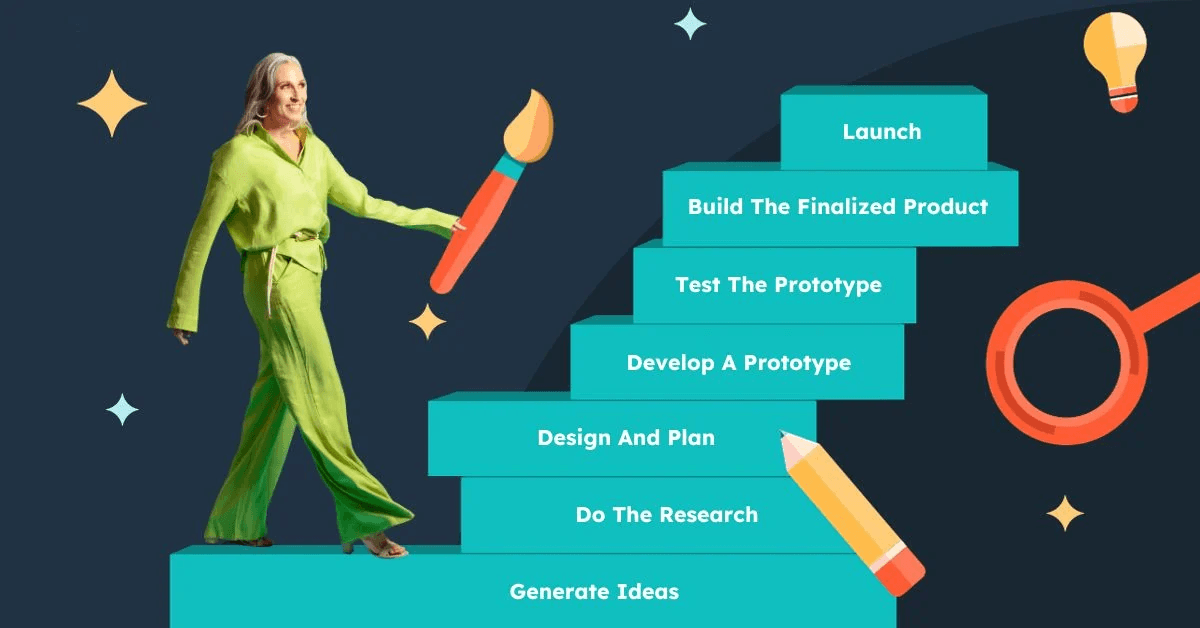
Traditional design thinking focuses on:
- Empathizing with users
- Defining the real problem
- Ideating possible solutions
- Prototyping quickly
- Testing and learning
AI fits inside this loop — not outside of it.
For example:
- AI can analyze user feedback faster than humans
- AI can generate multiple interface variations instantly
- AI can simulate edge cases teams might overlook
But AI cannot decide what matters. That still belongs to people.
A Practical Workflow That Works
Here’s how teams can combine design thinking and AI effectively:
- Human-led problem definition
Start with interviews, observations, and real usage data. Don’t skip this step. - AI-assisted exploration
Use AI to:- summarize research
- cluster feedback themes
- propose solution directions
- Human judgment & filtering
Not every AI-generated idea is good. Humans decide what’s viable. - Rapid prototyping with AI
AI helps generate wireframes, copy, flows, and even code prototypes. - Real-world testing
Users validate — not AI.
The Real Advantage
Teams that blend design thinking with AI:
- move faster without cutting corners
- explore more ideas with less effort
- reduce rework and late-stage surprises
AI doesn’t replace design thinking.
It removes friction from the process.